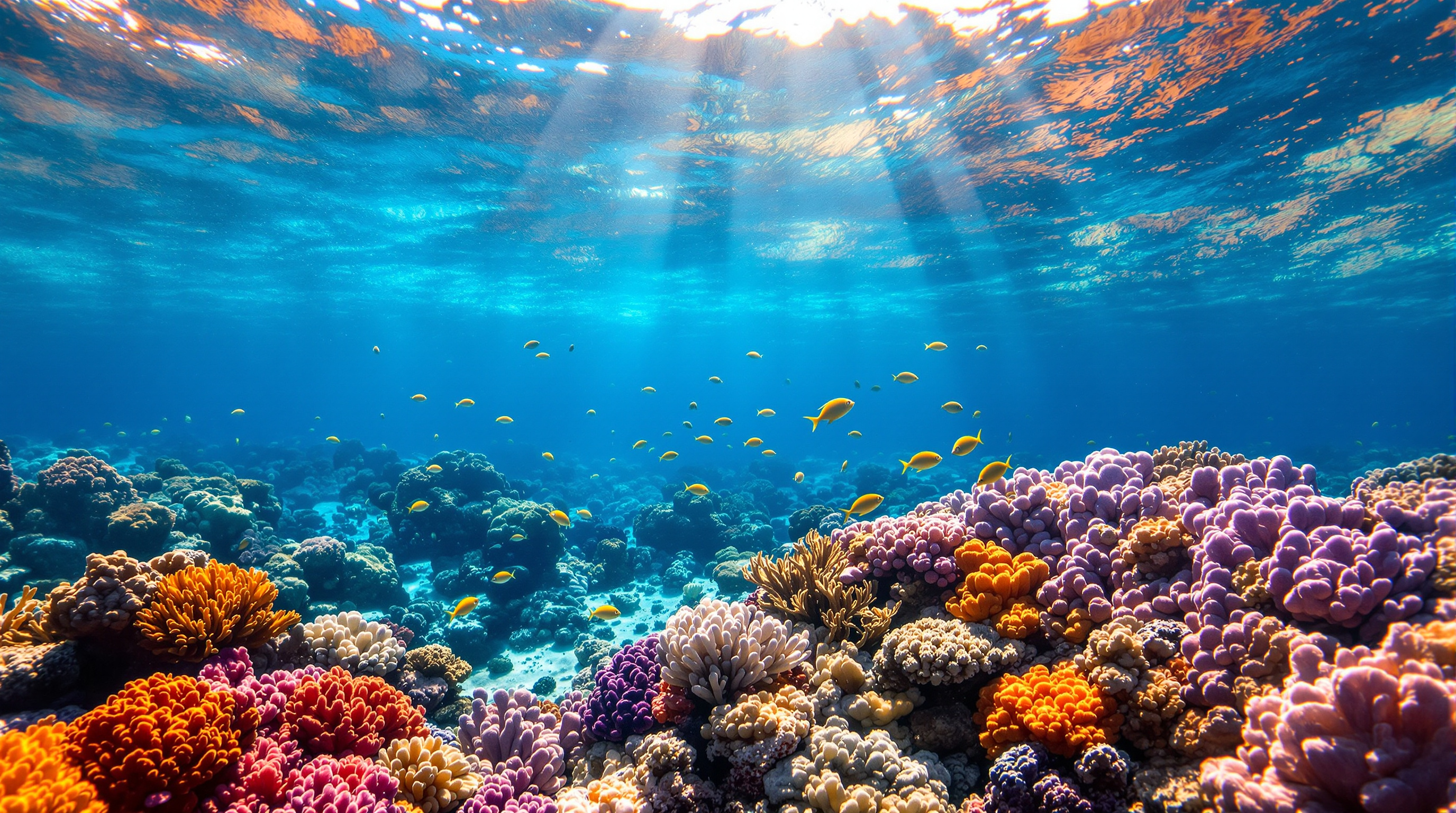
The fishery we guide on is only as good as the reef that sustains it. Roatan's extraordinary fishing exists because of the health of the Mesoamerican Barrier Reef System, the world's second largest coral reef, which creates the habitat that supports bonefish, permit, and the entire food web that reaches up through wahoo and marlin to the top of the offshore food chain.
At Pescado Roatán, conservation is not a marketing position. It is the core operational ethic of everything we do on the water.
Catch and Release on the Flats
Every bonefish and permit caught on a Pescado Roatán flats charter is released — carefully, quickly, with attention to proper handling to minimize stress and maximize survival. This is non-negotiable.
Flats fish are apex sight-fishing targets whose value is multiplied enormously across every angler who can catch and release the same fish over its lifetime. A permit that lives 15 years provides sporting value and photographic joy to perhaps 50–100 anglers; the same fish killed provides value to one.
We use barbless hooks where possible, minimize air exposure, and return fish in the water whenever practical. Our guides are trained in fish handling best practices recommended by the Bonefish and Tarpon Trust, the leading conservation organization focused on these species. BTT's research has documented the durability of well-handled bonefish — fish caught and released properly show no measurable long-term stress effects when handled under 60 seconds.
The Roatan Marine Park
Honduras established the Sandy Bay–West End Marine Reserve in 2003, protecting a substantial section of Roatan's western reef from extractive fishing, anchoring damage, and harmful dive practices. The Roatan Marine Park, a community-based NGO, manages the day-to-day enforcement and educational work within this reserve. We are proud partners of the Marine Park and operate in full compliance with all park regulations including:
- No-take zones for reef fish and invertebrates
- Reef anchoring restrictions (mooring buoys only in protected areas)
- Responsible approach distances to marine wildlife
- No collection of coral, shells, or reef organisms
Watching the Reef, Not Just Fishing It
Thermal bleaching is now the single largest threat to the habitat our fishery depends on, and unlike most reef problems it is measurable in near-real time. NOAA's Coral Reef Watch publishes satellite sea-surface-temperature and bleaching-alert products covering the Mesoamerican Reef, so anyone can see when the western Caribbean enters a heat-stress event rather than finding out months later. We follow those alerts through the warm months, report what we observe on the water to Marine Park staff, and adjust where we run and where we tie up when a stretch of reef is already under stress. A reef in a heat-stress event does not need boat traffic on top of it.
Reef-Safe Sun Protection
We ask all guests to use reef-safe, mineral-based sun protection on our charters. Hawaii and several other destinations have begun banning chemical sunscreens — oxybenzone and octinoxate — because of documented damage to coral reproduction. The Mesoamerican Reef faces significant bleaching pressure from rising ocean temperatures; the last thing it needs is additional chemical stress. The EPA provides guidance on sunscreen composition and environmental effects.
Why This Matters for Your Fishing
A healthy reef means healthy fish populations, clear water, and productive flats year after year. The alternative — degraded reef, bleached coral, declining fish populations — has happened on reef systems around the world. We intend to ensure that Roatan's fishing remains exceptional for the next generation of anglers.
Book a Charter
Every charter supports sustainable, conservation-first fishing on the Bay Islands.
Plan Your TripAbout the Reef
The Mesoamerican Barrier Reef runs from Mexico through Honduras — one of the world's most important coral ecosystems.
The Fishery